Cartier's story begins in 1847 in Paris. The 28-year-old Louis-François Cartier took over the small jewelry workshop of his master, Adolphe Picard, at 29 Rue Montorgueil. Paris was already the luxury capital of Europe, but no one knew the young jeweler would one day redefine "luxury" for Europe's royal courts. The atelier quickly became a favorite of the French aristocracy; Princess Mathilde and Empress Eugénie were among its first major clients.
The second generation, Alfred Cartier, took over the business and in 1899 moved the maison to 13 Rue de la Paix, the most prestigious address in Paris. The true global breakthrough came with the third generation: Alfred's three sons Louis, Pierre, and Jacques built a worldwide luxury empire. Louis stayed in Paris; Pierre opened the New York Fifth Avenue store in 1909; Jacques settled in London and served the maharajas of India. This three-continent strategy made Cartier the first truly global luxury brand.
In 1904, after ordering 27 tiaras for his coronation, King Edward VII of England appointed Cartier as official supplier and gave the brand its eternal title: "le joaillier des rois, le roi des joailliers", "the jeweler of kings, the king of jewelers." That phrase still defines the maison.
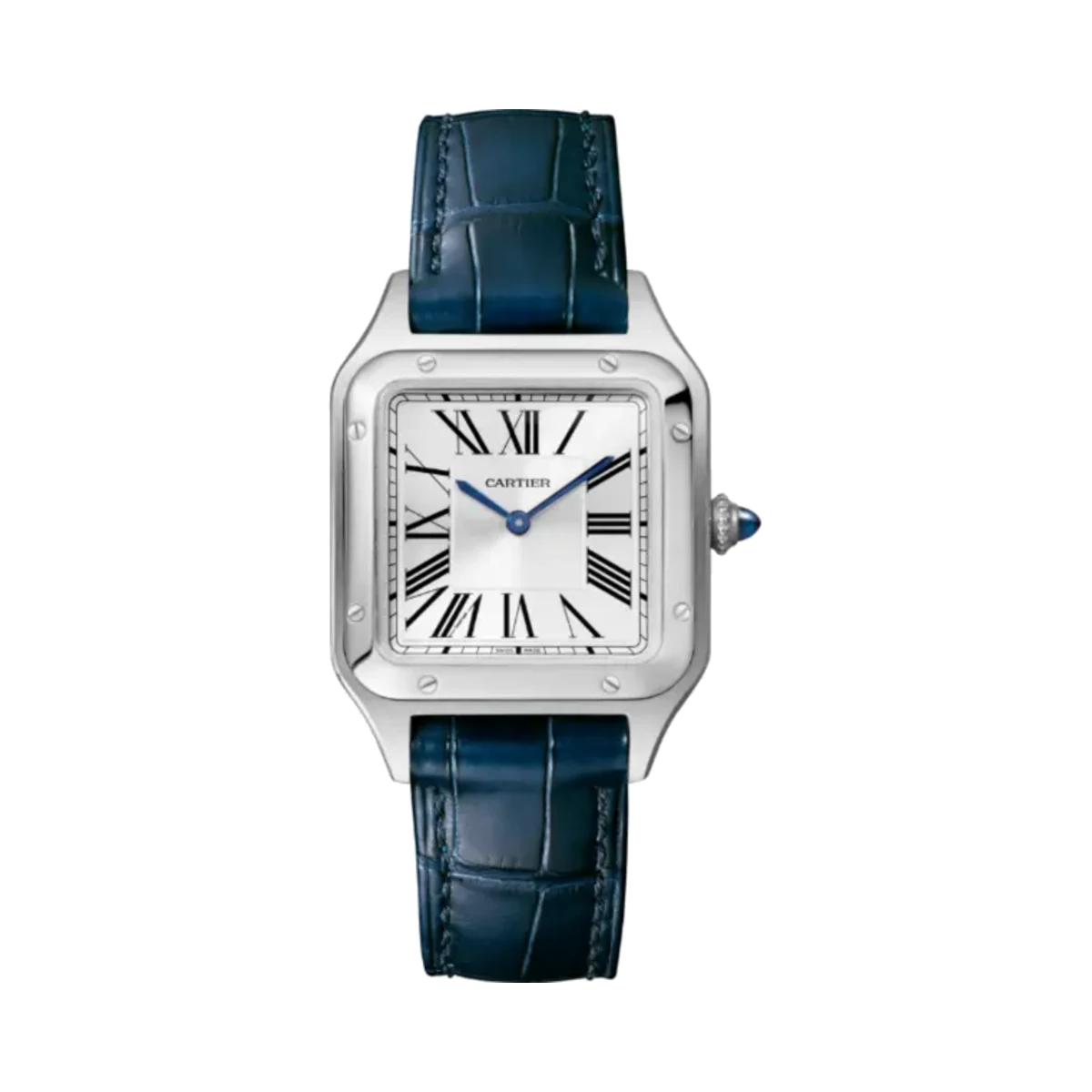
Cartier's entry into watchmaking was no accident. In 1904 Louis Cartier listened to his close friend, Brazilian aviation pioneer Alberto Santos-Dumont, complain how impractical it was to consult a pocket watch while flying. Louis designed a flat, square-cased watch to be worn on the wrist: the Santos. It is regarded as the first practical men's wristwatch and marks the very beginning of modern wristwatch history.
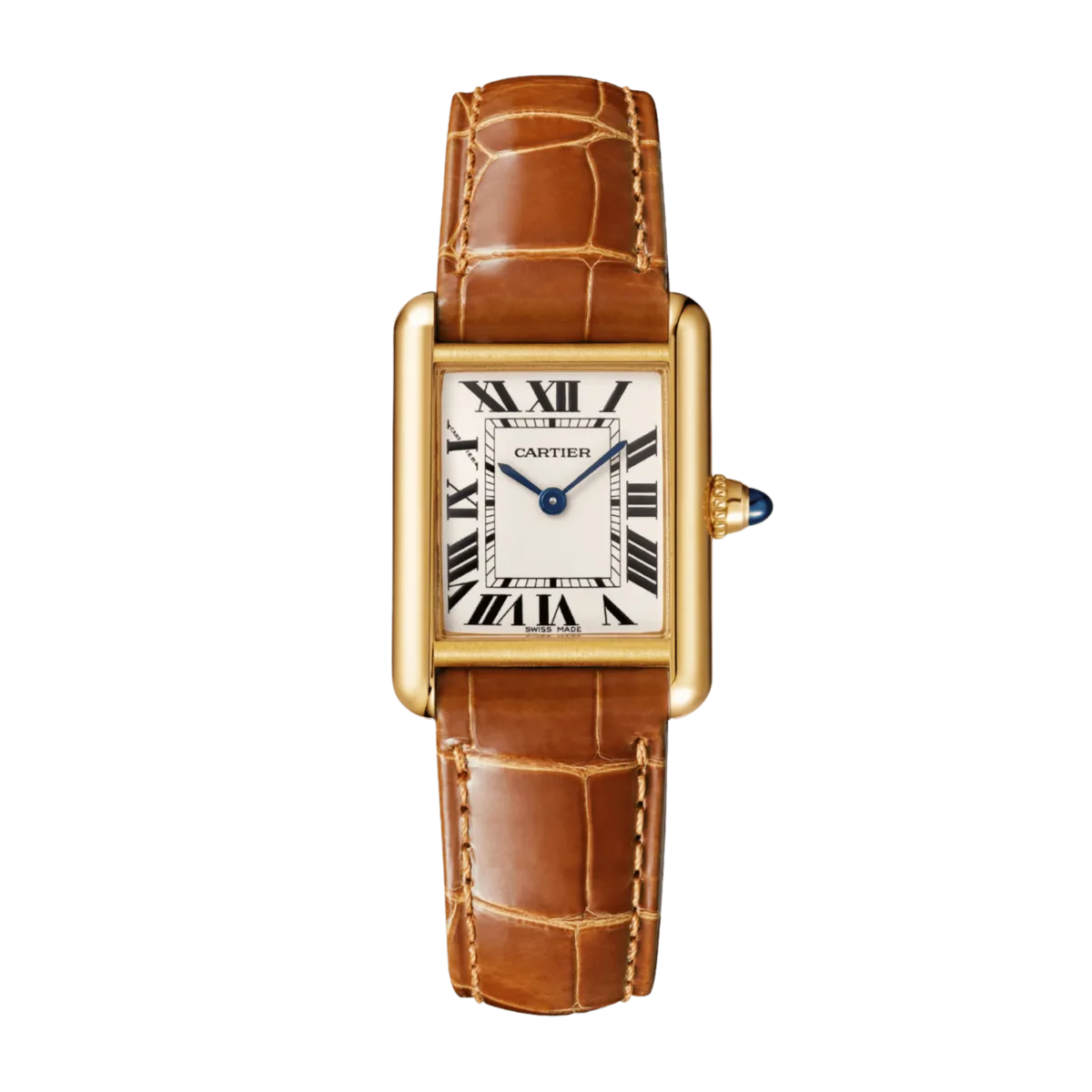
In 1917, Louis Cartier created the Tank, inspired by the Renault FT tank that had served on the Western Front of World War I. The watch's two parallel "brancards" represented the tank's tread. From Andy Warhol to Jackie Kennedy, Yves Saint Laurent to Muhammad Ali, every era's icons wore a Tank. Over more than a century its design has barely changed, a textbook study in minimalist perfection.
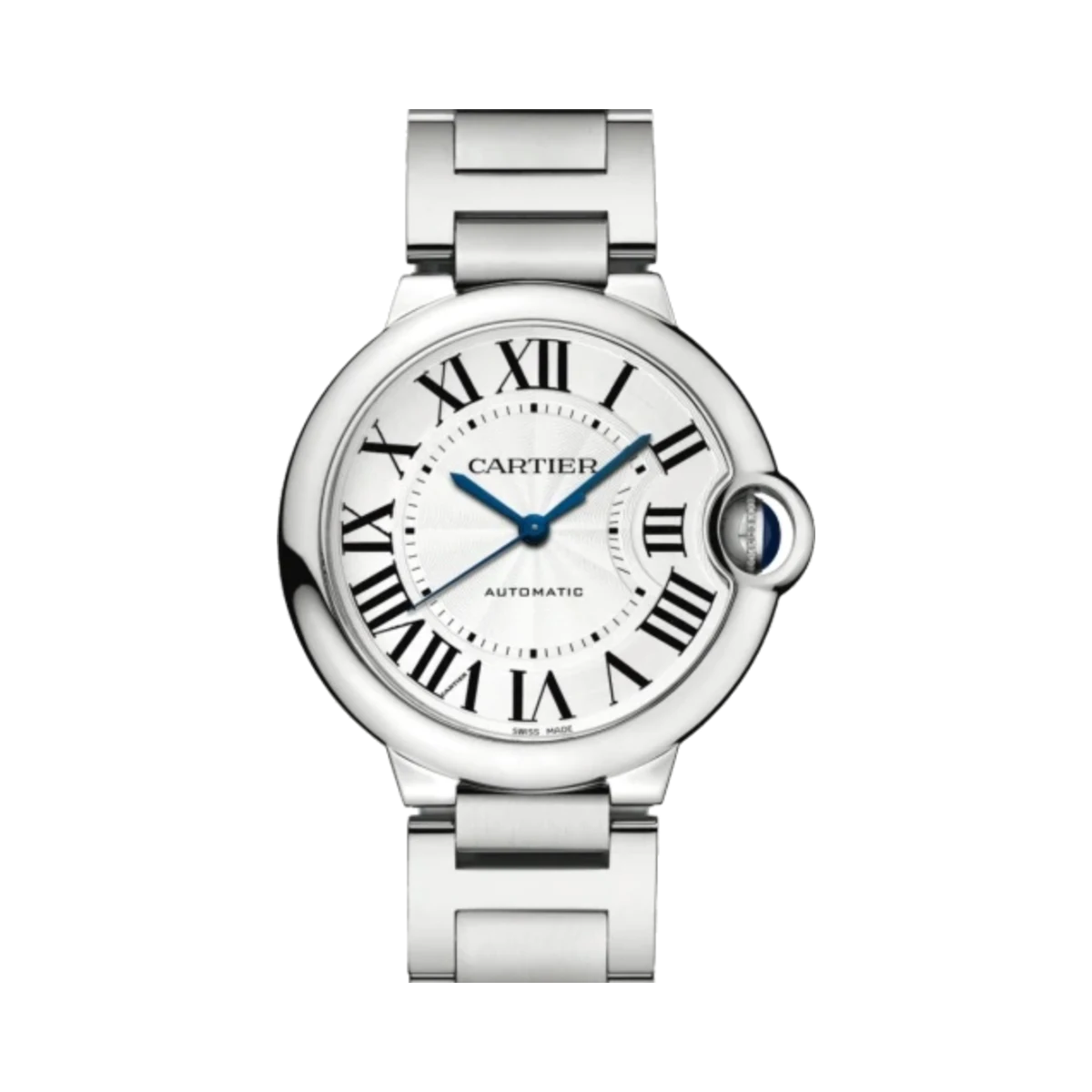
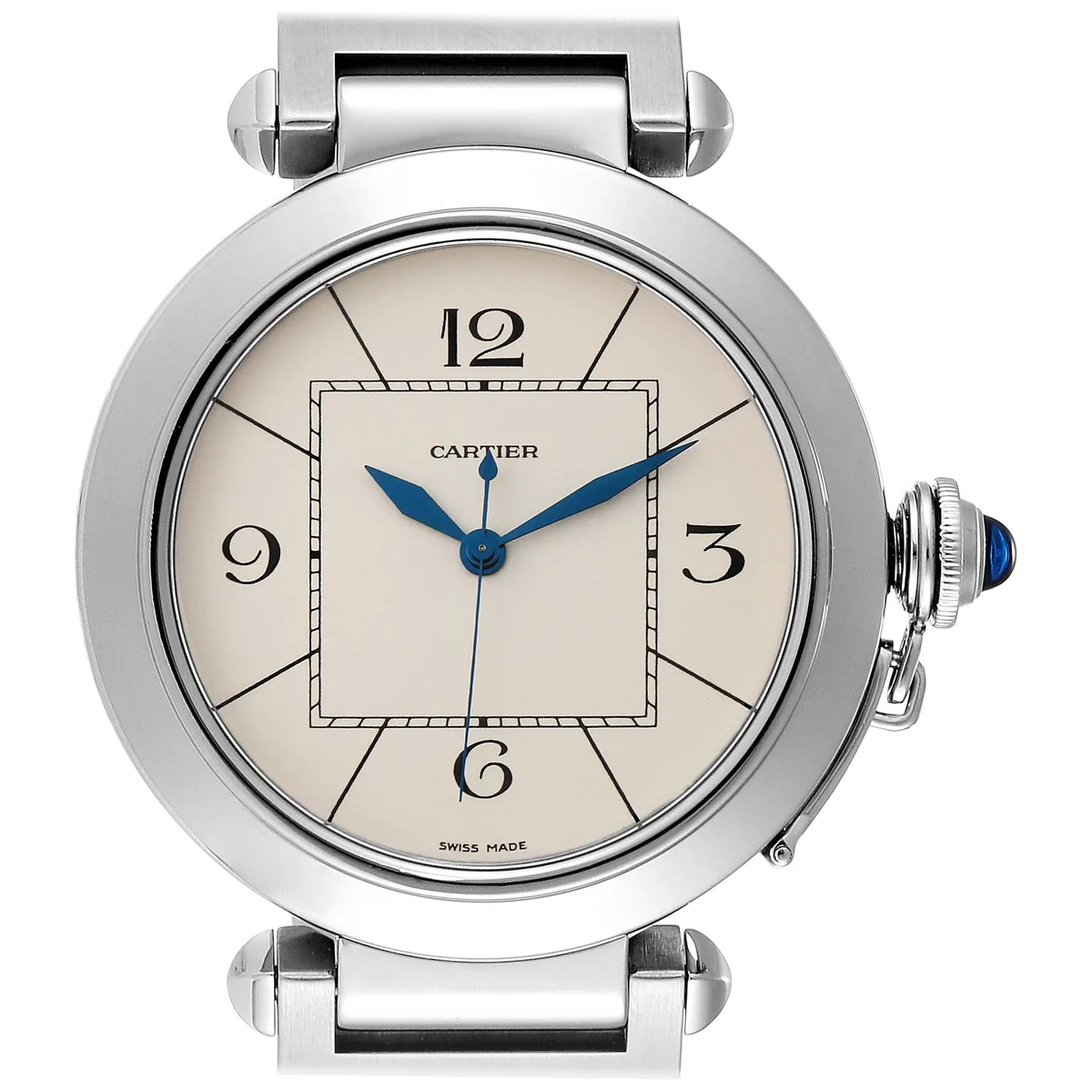
In the decades that followed, Cartier expanded its watch catalogue: the Tank Louis Cartier (Tank LC), named after the founder, in 1922; the Cartier Hour Angle navigation watch developed in the early 1930s in honour of Charles Lindbergh's transatlantic flight; an early water-resistant commission piece that became the Pasha (1943); the modern Pasha de Cartier redesigned by Gerald Genta in 1985; and the rounded, dome-crystal Ballon Bleu in 2007, the most successful new Cartier model of the past two decades.
Today Cartier sits under the Richemont Group and is, alongside Rolex, one of the two largest luxury watch brands in the world. With over 200 boutiques worldwide and a design language that has remained true to its origins, Cartier appeals equally to serious collectors and to the fashion world. Bedesten Watches has operated in Istanbul since 1999, and Tank, Santos, Ballon Bleu, and Pasha references are available in our collection.