Jaeger-LeCoultre's story begins in 1833 in Le Sentier, a small village in the quiet Vallée de Joux of the Swiss Jura mountains. The 30-year-old Antoine LeCoultre opened a small workshop and began producing precision watch components. The son of a blacksmith, LeCoultre's mechanical genius quickly emerged: in 1844 he invented the "Millionomètre," the world's first instrument capable of measuring to a micron (a thousandth of a millimetre). The device remained the workshop's secret weapon for decades and gave LeCoultre unmatched precision for its time.
In 1866, Antoine's son Elie LeCoultre united the family workshops into a single modern manufacture employing more than 500 craftsmen, the Vallée de Joux's first true watch factory. By the late 19th century LeCoultre & Cie was producing some of the industry's most complicated and thinnest movements, specialising in minute repeaters, perpetual calendars and chronographs. The firm supplied raw movements to Patek Philippe, Vacheron Constantin, Audemars Piguet, and even early Cartier. JLC's nickname "the watchmaker's watchmaker" (la grande maison du Sentier) was earned in this period.
In 1903 the Parisian watchmaker Edmond Jaeger approached the LeCoultre workshop with the challenge of producing his ultra-thin pocket-watch calibres, a collaboration that decades later would give birth to the Jaeger-LeCoultre name (officially merged in 1937). One of the most poetic objects in the catalogue, the Atmos clock, was invented by Jean-Léon Reutter in 1928 and taken over by JLC in 1937. Powered by the smallest changes in ambient temperature (a single degree provides about 48 hours of energy), it theoretically never needs to be wound. The Atmos is still produced today and remains the Swiss government's official diplomatic gift.
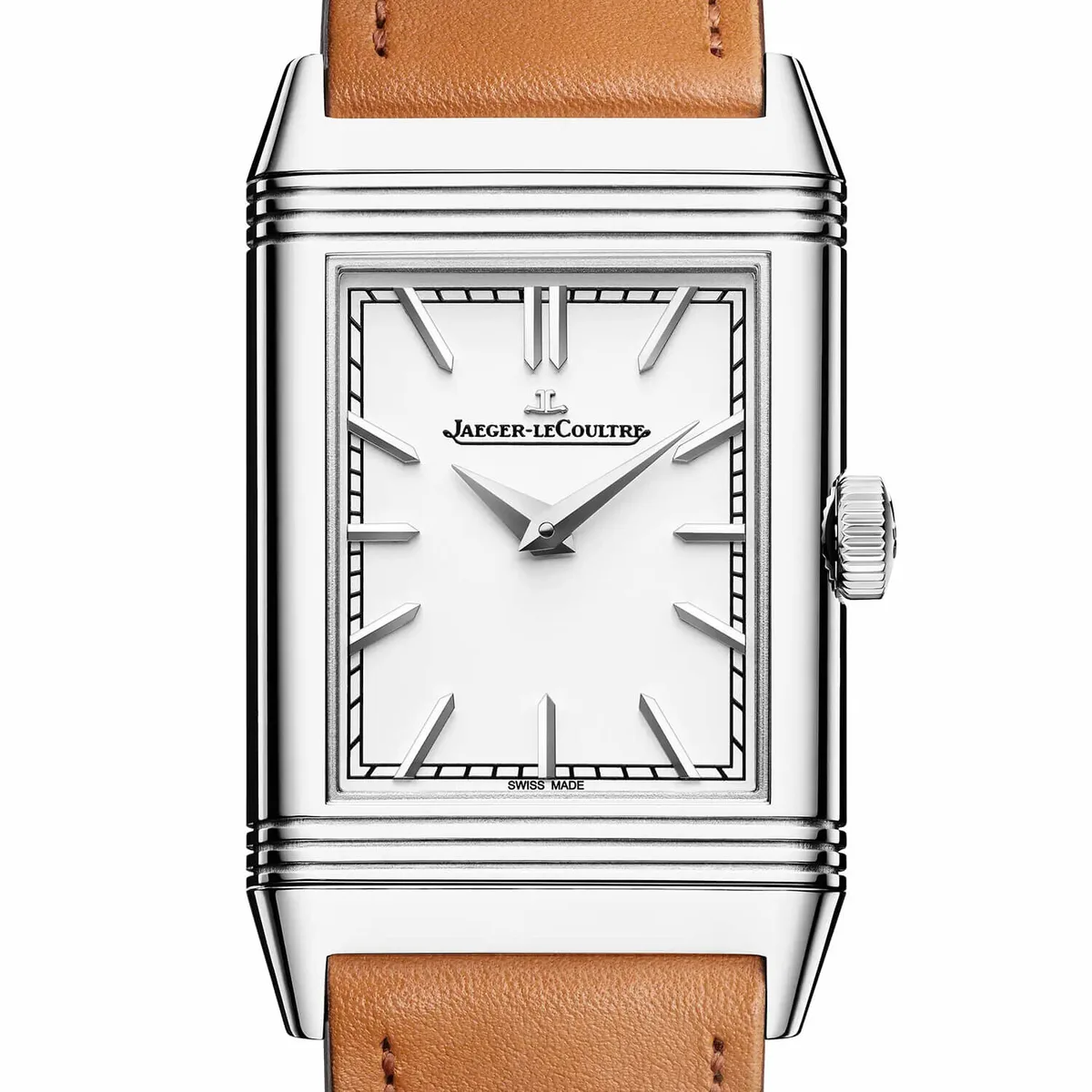
In 1931 Jaeger-LeCoultre created perhaps one of the most elegant watches of the entire 20th century: the Reverso. British army officers playing polo in India had requested a watch whose crystal could be protected during matches, and engineer René-Alfred Chauvot filed the patent on 4 March 1931. The Reverso's case rotates 180 degrees to shield the crystal, leaving a blank canvas on the back for personalisation. It is the purest expression of Art Deco in watchmaking, and remains JLC's flagship today.
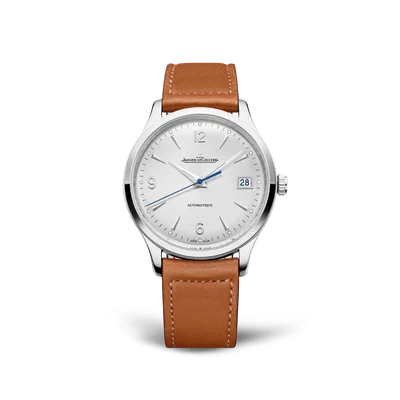
After the Second World War JLC continued to innovate: the Memovox alarm watch of the 1950s, the ultra-thin Cal. 920 of 1967 (the legendary movement that also powered the Audemars Piguet Royal Oak Jumbo), automatic complications in the 1980s, and the multi-axis Gyrotourbillon in 2004. With the Master Control "1000 Hours" programme launched in 1992, the brand tests every watch for 1,000 hours, a higher bar than even Rolex's chronometer standard. Today JLC employs more than 1,200 people under a single roof in Le Sentier and remains one of the rare manufactures producing every component (springs, screws, calibre, case) in-house.
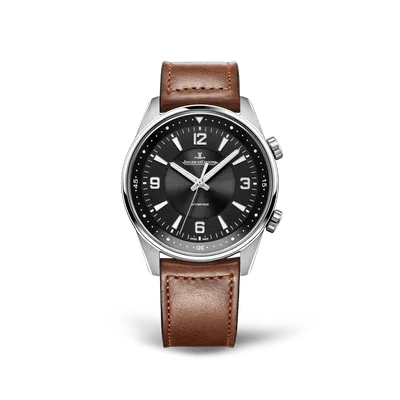
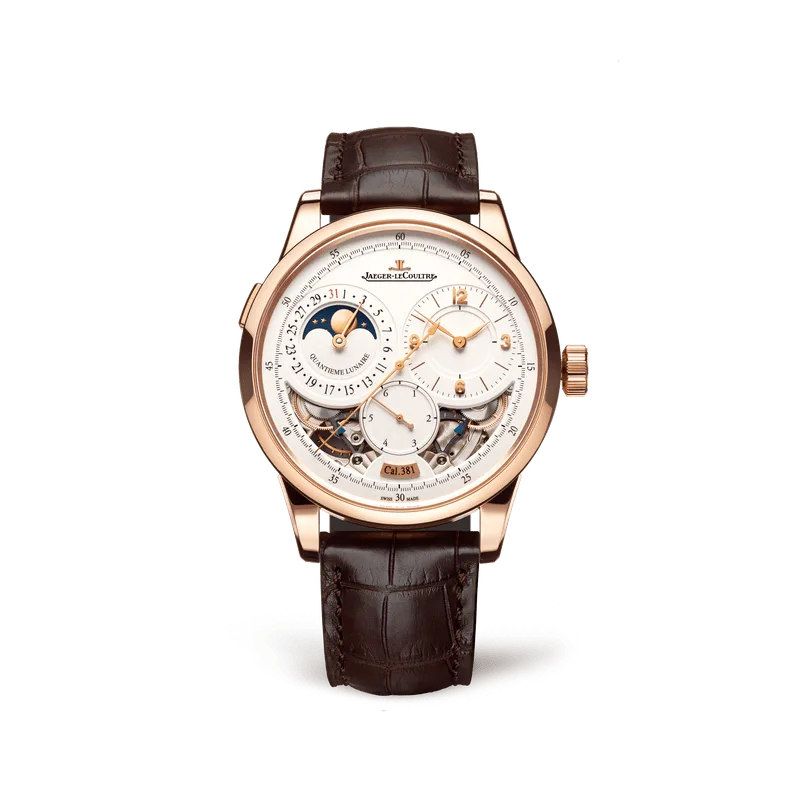
Bedesten Watches has sold Jaeger-LeCoultre watches in Istanbul since 1999. Visit our Suadiye store for selected Reverso, Master Control, Polaris and Duomètre references; for current listings, ask for the written inspection record and applicable guarantee terms.